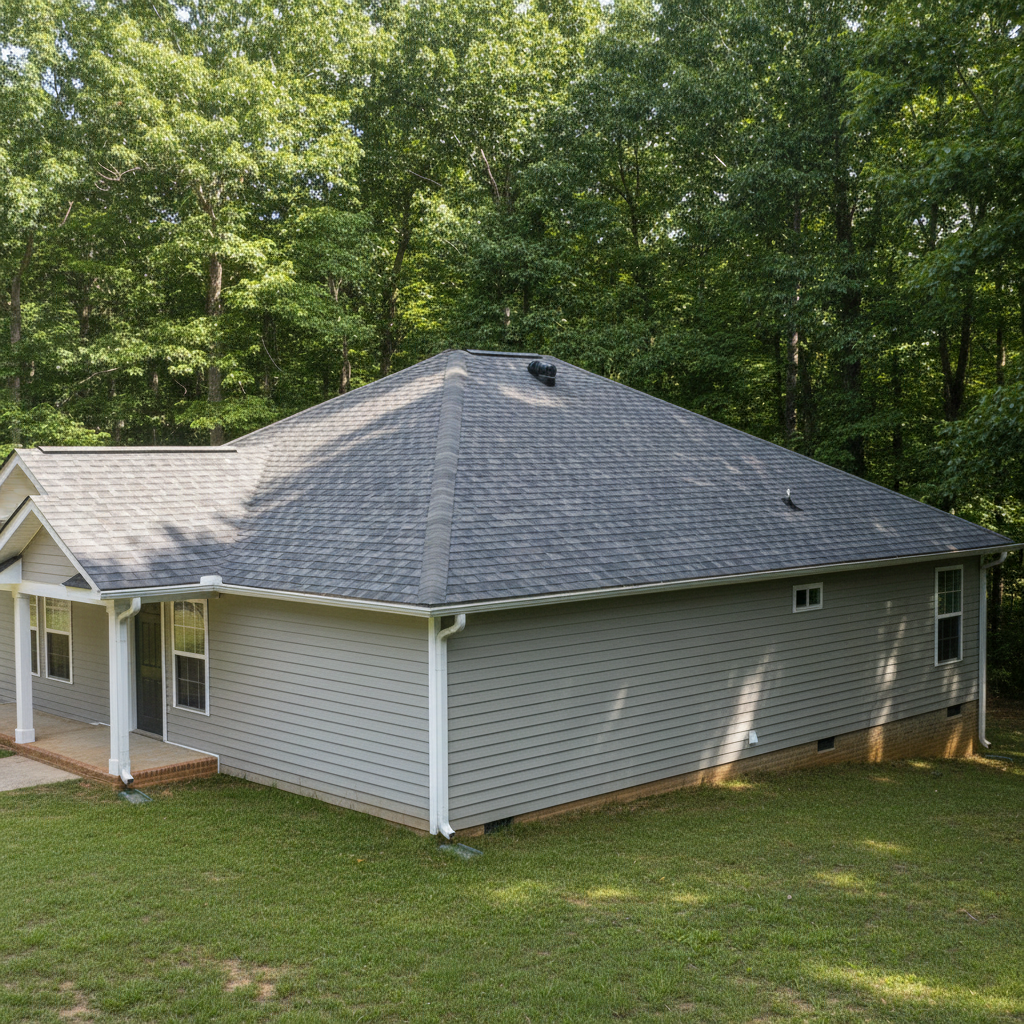
So, you've just put a brand-new roof on your Louisburg home. Maybe it's a new build out in the Lake Royale area, or you finally finished that big renovation. Congrats! A new roof is a serious investment, and it protects everything else you own. But here's the thing: "new" doesn't mean "set it and forget it." You wouldn't buy a new car and never change the oil, right? Your roof needs some love too.
We get a lot of questions about what folks should do once the last shingle is laid. Thinking ahead is smart. Proper care, even for a brand-new roof, is how you make sure it lasts its full lifespan, especially with our wild North Carolina weather.
Making Your New Roof Last Longer
You paid good money for that roof, so let's make sure it sticks around. The biggest thing you can do to extend its life is pretty simple: keep it clean and keep an eye on it. That sounds basic, sure, but it's where most problems actually start.
- Keep Gutters Clear: This is a huge one, especially in the fall when all those oak and pine needles drop. Clogged gutters mean water can't drain right. It backs up, sits on your roof edges, and can seep under shingles or fascia, leading to rot and leaks. In winter, that standing water can freeze, expand, and cause even more damage. Clean them out at least twice a year, or more often if you've got lots of trees around your place.
- Trim Overhanging Branches: Those beautiful trees around your property are great for shade, but they can be a real headache for your roof. Branches rubbing against shingles wear them down over time. Strong winds, which we see plenty of during our summer thunderstorms, can snap branches off, sending them crashing onto your roof. Keep them trimmed back, ideally at least six feet from your roofline.
- Watch for Debris: After a storm, take a quick peek. Sticks, leaves, even small branches can land on your roof. If they just sit there, they trap moisture, which can lead to moss or algae growth, and eventually, shingle deterioration. Get them off your roof safely.
- Good Ventilation is Key: This isn't something you "do" after the fact, it's more about proper installation. But it's super important for new construction. Make sure your attic is properly ventilated. Good airflow stops heat and moisture from building up, which can basically cook your shingles from the inside out in our humid summers and make them age too fast. Your builder or roofer, like us at Charis Roofing Solutions, should have made sure this was done right during installation.
What Regular Maintenance Looks Like
For a new roof, regular maintenance isn't a huge chore, but it does need to be consistent. Think of it as preventative care for your home.
You should plan to visually inspect your roof from the ground every six months or so. And after any major storm, absolutely take a look. What are you looking for? Anything out of place. Are shingles lying flat? Are there any obvious missing pieces? Is there a pile-up of leaves or debris? If you have a low-slope roof you can safely access, you might get up there, but for most pitched roofs, it's safer to use binoculars or just call a pro.
Beyond your own checks, think about getting a professional inspection every 2-3 years, even on a new roof. A trained eye can spot subtle issues you might miss, like loose flashing around chimneys or vents, or early signs of granule loss that show wear. They can also clear out any stubborn debris or minor moss growth before it becomes a bigger headache.
Warning Signs of Problems
Even on a new roof, things can go wrong. Knowing what to look for can save you a lot of trouble and money down the line.
- Missing or Damaged Shingles: This is the most obvious one. If a shingle is curled, cracked, or completely gone, it leaves your roof vulnerable. High winds are often the culprit, aren't they?
- Granule Loss: Look in your gutters. If you see a lot of sand-like particles, those are shingle granules. A little bit is normal, especially on a new roof as it settles, but excessive amounts can mean your shingles are aging faster than they should, or maybe they got damaged during installation.
- Water Stains on Ceilings or Walls: This is the classic sign of a leak. Don't ignore it. Water can travel a long way from the actual leak point, so the stain might not be directly under the problem.
- Sagging Roof Deck: If you can see a noticeable dip or sag in your roofline, that's a serious structural issue that needs immediate attention.
- Moss or Algae Growth: While common in our humid climate, especially on the north side of roofs that get less sun, too much growth can trap moisture and degrade shingles. It's a sign that water isn't drying out properly.
- Loose or Damaged Flashing: Flashing is the metal stuff around chimneys, vents, skylights, and where walls meet the roof. It's designed to keep water out. If it's bent, rusted, or pulling away, you've got a potential leak point.
When to Call a Professional
You don't need to be a roofing expert; that's our job. But knowing when to pick up the phone is crucial. You should call a professional roofer if:
- You spot any of the warning signs mentioned above. Don't wait for a small issue to turn into a major repair.
- You've had a severe storm. Even if you don't see obvious damage from the ground, high winds, hail, or heavy rain can cause unseen issues. A quick inspection can prevent future leaks.
- You're uncomfortable getting on your roof yourself. Safety first, always. It's not worth a fall to save a few bucks. We've got the gear and the experience.
- You notice persistent moss or algae that you can't manage. We can treat it and suggest solutions to keep it from coming back.
- You just want to feel good about your roof. A professional inspection can confirm everything is sound or catch minor issues before they become expensive repairs.
Your new roof is built to last, but it needs a little help from you to get there. A little proactive care goes a long way in protecting your home and your investment. If you're in Louisburg, Franklinton, or anywhere in Franklin County and have questions about your new roof, or you're seeing something that just doesn't look right, don't hesitate to give Charis Roofing Solutions a call. We're here to help keep your roof in top shape.