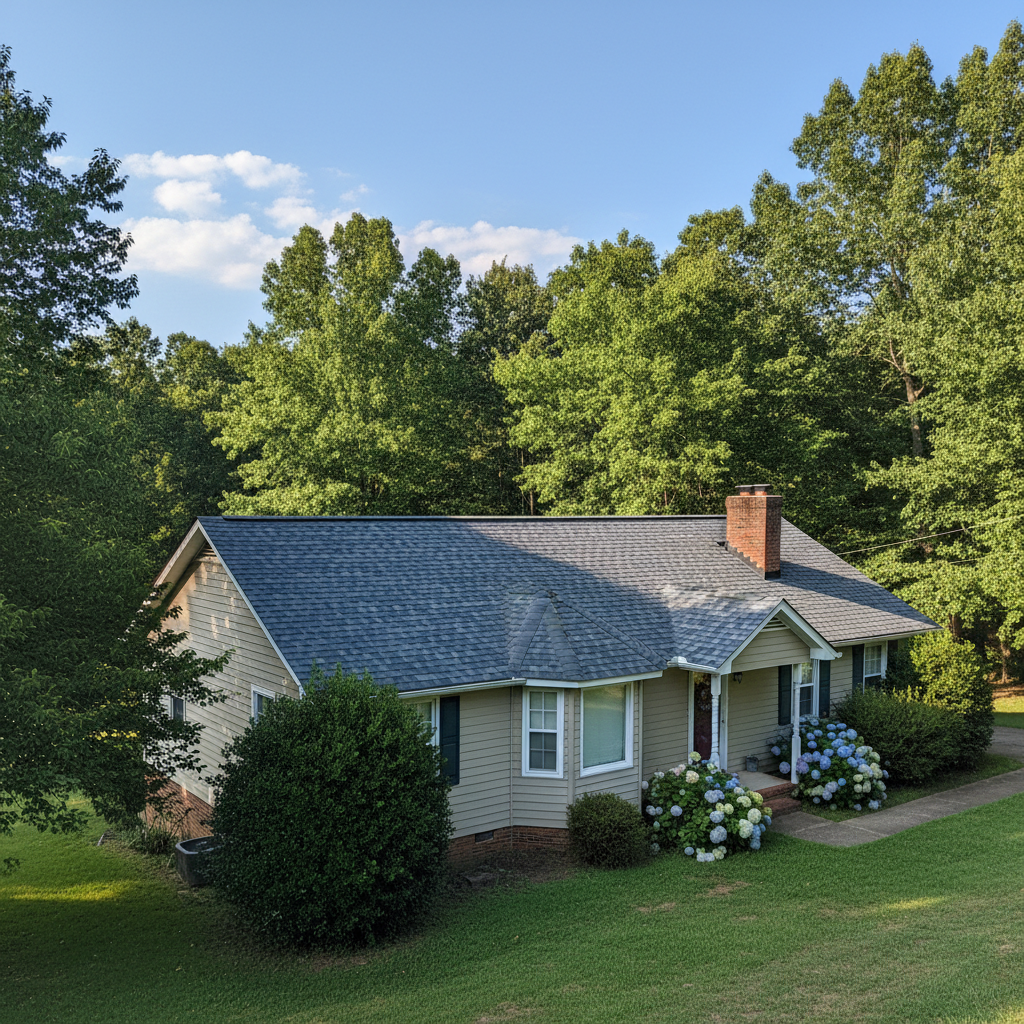
Storms around Louisburg can be a real headache, can't they? One minute it's sunny, the next you've got hail dents or a tree branch through your roof. When that happens, your first thought is probably, "How much is this going to cost me?" It's a fair question, and honestly, it's not always a simple answer. But I can give you some real numbers and tell you what to look out for.
What Makes Storm Repair Costs Go Up or Down?
A lot of things can swing the price tag on storm damage. It's not just about the hole in your roof; it's about what kind of roof you have, how bad the damage got, and what else got messed up in the process.
- How Much Damage There Is: This is the big one. A few missing shingles from a gust of wind is a lot different than a whole section of your roof decking being exposed after a microburst. Small repairs, like replacing a few shingles, might run you $300-$800. If you've got more widespread shingle damage, say 100-200 square feet, you're probably looking at $1,500-$3,000. But if a tree limb went through your attic, needing structural repairs, new decking, and a larger section of roofing, that can easily jump to $5,000-$15,000 or more. Especially if it involves interior damage too.
- Roof Material: Asphalt shingles are the most common around here, and they're generally the most affordable to fix. Metal roofs, while tougher, can be pricier to repair if a panel gets bent or punctured. Tile roofs, though less common in our area, are beautiful but expensive to repair because the tiles themselves cost a lot and need special handling.
- Roof Pitch & How Easy It Is to Get To It: A steep roof is harder and more dangerous to work on. That means more time, more safety gear, and often a higher labor cost. If we need special scaffolding or lifts because your house is tall or has difficult access, that'll add to the bill.
- Other Damage: Don't forget about collateral damage. High winds don't just hit your roof. They can tear off gutters, damage siding, or even break windows. Sometimes, water gets in and ruins insulation, drywall, or electrical components. Each of these adds separate costs to the overall repair.
- Emergency Tarping: If we have to come out in the middle of the night to put a temporary tarp on your roof to stop more water from getting in, that's an immediate service call. Expect to pay anywhere from $250 to $700 for emergency tarping, depending on the size and complexity. It's a necessary step to protect your home while we wait for insurance approval or better weather for permanent repairs.
What Should a Good Quote Include?
When you get a quote from Charis Roofing Solutions, or any reputable contractor for that matter, it shouldn't just be a single number. You need details. Here's what you should expect to see:
- Detailed Scope of Work: This should clearly outline exactly what we're fixing or replacing. "Replace damaged shingles" isn't enough. It should specify the number of squares (a roofing square is 100 sq ft), the type of shingle, and any underlayment or flashing work.
- Material Breakdown: What kind of shingles are they using? What type of flashing? Are they replacing any rotten decking? You should know the quality of materials going onto your home.
- Labor Costs: This might be rolled into the total, but it should be clear that labor is covered.
- Permits & Fees: For significant repairs, especially if structural work is involved, you'll need a permit from Franklin County. Your contractor should handle this and include the cost.
- Cleanup & Debris Removal: A good contractor cleans up their mess. This includes hauling away old materials and making sure there are no nails left in your yard.
- Warranty Information: What kind of warranty do they offer on their workmanship? What about the material manufacturer's warranty?
How to Avoid Overpaying for Storm Damage Repair
Nobody wants to get ripped off, especially when you're already stressed about your home. Here's how to protect your wallet:
- Get Multiple Quotes: This is probably the most important step. Don't just go with the first guy who knocks on your door after a storm. Get at least three detailed quotes. This helps you compare not just prices, but also the scope of work and the materials being offered.
- Check References & Reviews: A quick search online or asking around Louisburg can tell you a lot about a contractor's reputation. You want someone who's been around, like us at Charis Roofing Solutions, and has a track record of good work right here in Franklin County.
- Understand Your Insurance Policy: Before you even call a contractor, know what your homeowner's insurance covers. What's your deductible? Do you have actual cash value or replacement cost coverage? This knowledge is your biggest weapon against unexpected costs.
- Don't Pay Upfront for Everything: A reputable contractor might ask for a deposit, usually 10-30% to cover materials. But never pay the full amount before the work is done and you're satisfied.
- Beware of Storm Chasers: After a big storm, you'll see out-of-towners flocking to areas like ours. They'll often pressure you into signing contracts, promise deals that sound too good to be true, and then disappear when problems arise. Stick with local businesses who have a vested interest in their community. We're not going anywhere.
- Don't Let Them Pressure You: A good contractor will give you time to review their quote and make a decision. If someone is pushing you to sign on the spot, that's a red flag.
Dealing with storm damage is stressful enough. Knowing what to expect for costs and how to choose the right help can make a big difference. Take your time, do your homework, and you'll get your home back in shape without breaking the bank.