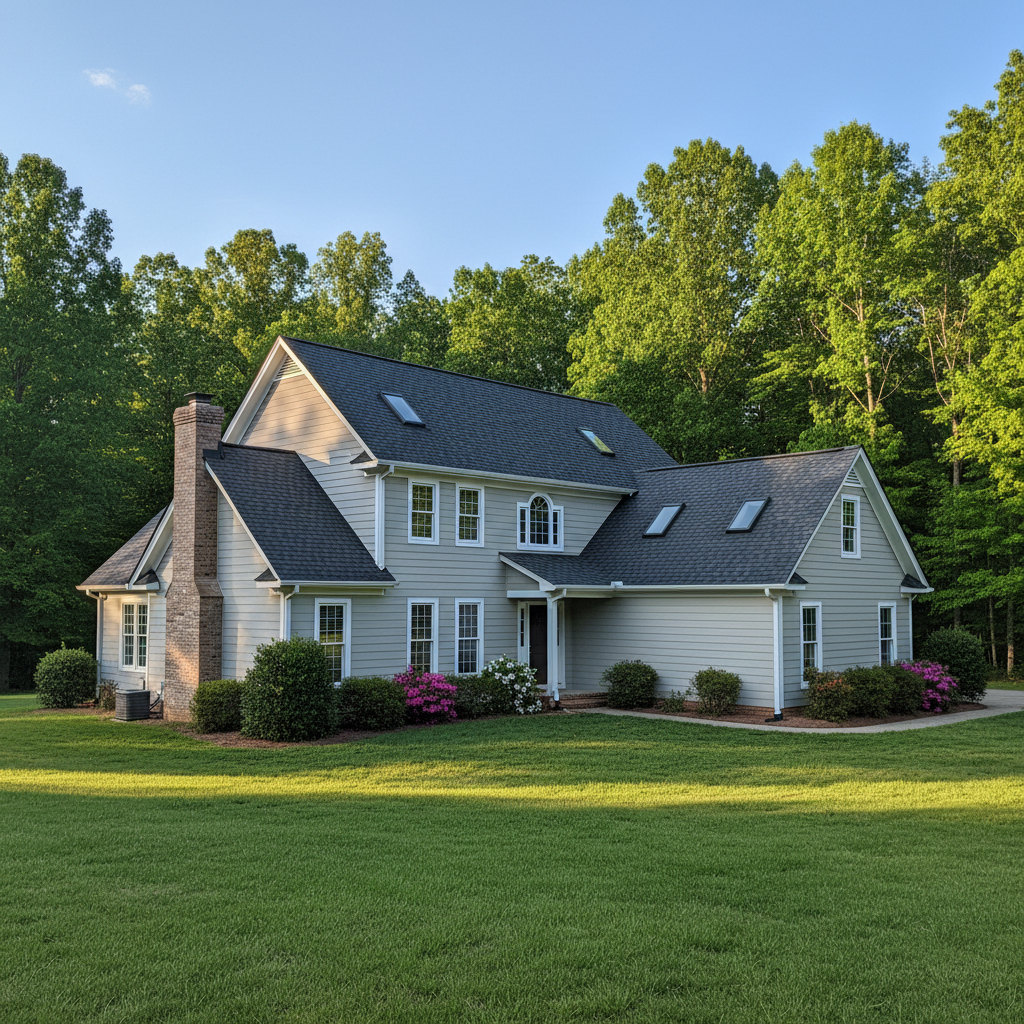
When's the Best Time for a New Roof in Louisburg?
So, you're thinking about a new roof. Naturally, one of the first things that comes to mind is, "When's the best time to get this done?" It's a completely fair question, especially for us here in Louisburg. We don't exactly get those brutal, drawn-out winters you see up north, but our local weather still plays a huge role in when a roofing crew can work safely and, more importantly, effectively. You want your roof installed right, don't you? That means we've got to work with Mother Nature, not against her.
Generally speaking, I tell folks that late spring, summer, and early fall are really the sweet spot. Why those times? Well, you need consistent, dry weather for a proper roof installation. Shingles, especially the asphalt kind, need warm temperatures to seal down correctly. Those tiny adhesive strips on the back? They activate with heat, forming a watertight bond. If it's too cold, they just won't seal right away. That leaves your roof much more open to wind lifting and leaks until the weather finally warms up.
What Louisburg Weather Means for Your Roof Project
Our Franklin County weather can be a real roller coaster, can't it? One day it's a beautiful 70 degrees and sunny, the next we're in a cold snap. This back-and-forth is exactly why timing is so important. Here’s what we really pay attention to:
Temperature: Like I said, shingle adhesion is super important. We really prefer to see temperatures consistently above 40-50 degrees Fahrenheit during the day for the best installation. Below that, shingles get brittle, which makes them tougher to work with and more likely to crack. Plus, the sealant just doesn't activate well. We've seen plenty of roofs in older neighborhoods, like around the historic district, that clearly show signs of cold-weather installation – shingles that never quite lay flat and sealed.
Rain: This one's pretty obvious, right? You simply can't install a roof in the rain. It's dangerous for the crew, and getting the underlayment or sheathing wet can cause bigger headaches down the road, things like mold or rot. We always keep a close eye on the forecast. If there's a good chance of pop-up thunderstorms, which we get plenty of in the summer, we'll plan our day accordingly. Maybe we'll aim to get the decking covered and dried in before the afternoon downpour hits.
Humidity: It's not as critical as temperature or rain, but high humidity can slow down how quickly certain materials dry, especially if we're doing any minor repairs to the decking. It's usually not a deal-breaker, but it's definitely something we keep in mind.
Wind: Strong winds are a safety risk for the crew, and they can make it really hard to keep materials on the roof. Also, if we're tearing off an old roof, high winds can send debris flying all over the place. We'll reschedule if the winds are just too strong.
Scheduling Your Project: Don't Wait for a Crisis
Here's a little tip: don't wait until you've got a leak dripping into your living room to start thinking about a new roof. That's typically when everyone else is calling too, especially right after a big storm. If you can, try to plan your roof replacement during the shoulder seasons – late spring or early fall. The weather tends to be more stable then, and you might find it easier to get on our schedule.
Summer's fantastic for the consistent heat, but it's also our busiest time, hands down. Plus, those afternoon thunderstorms can definitely cause delays. Winter? We really try to avoid major installations unless it's an absolute emergency. It's just tougher to get a quality job done when it's freezing outside.
Protecting Your Investment Year-Round
Once Charis Roofing Solutions puts that new roof on your home, you want it to last a good long time, right? Here’s how you can protect your investment, no matter the season:
Clear Gutters: This is a huge one. Clogged gutters can cause water to back up under your shingles, which leads to rot and leaks. Especially after all those fall leaves drop from the big oak and maple trees around Louisburg, you'll want to make sure they're clear.
Trim Trees: Keep those tree branches trimmed back from your roof. Overhanging branches can scratch shingles, drop debris that clogs gutters, and even give pests an easy path right into your attic.
Regular Inspections: I always recommend a professional roof inspection every couple of years, or definitely after any major storm. We can spot small issues before they turn into big, expensive problems.
Ventilation: Make sure your attic has good ventilation. Proper airflow helps regulate attic temperature, preventing ice dams during our rare cold snaps and extending the life of your shingles by stopping heat buildup in the summer.
Getting a new roof is a big decision, and getting it done at the right time really does make all the difference. If you're thinking about a roof project, give us a call at Charis Roofing Solutions. We'll come out, take a look, and give you an honest assessment of your roof and the best timing for your specific situation. What have you got to lose?