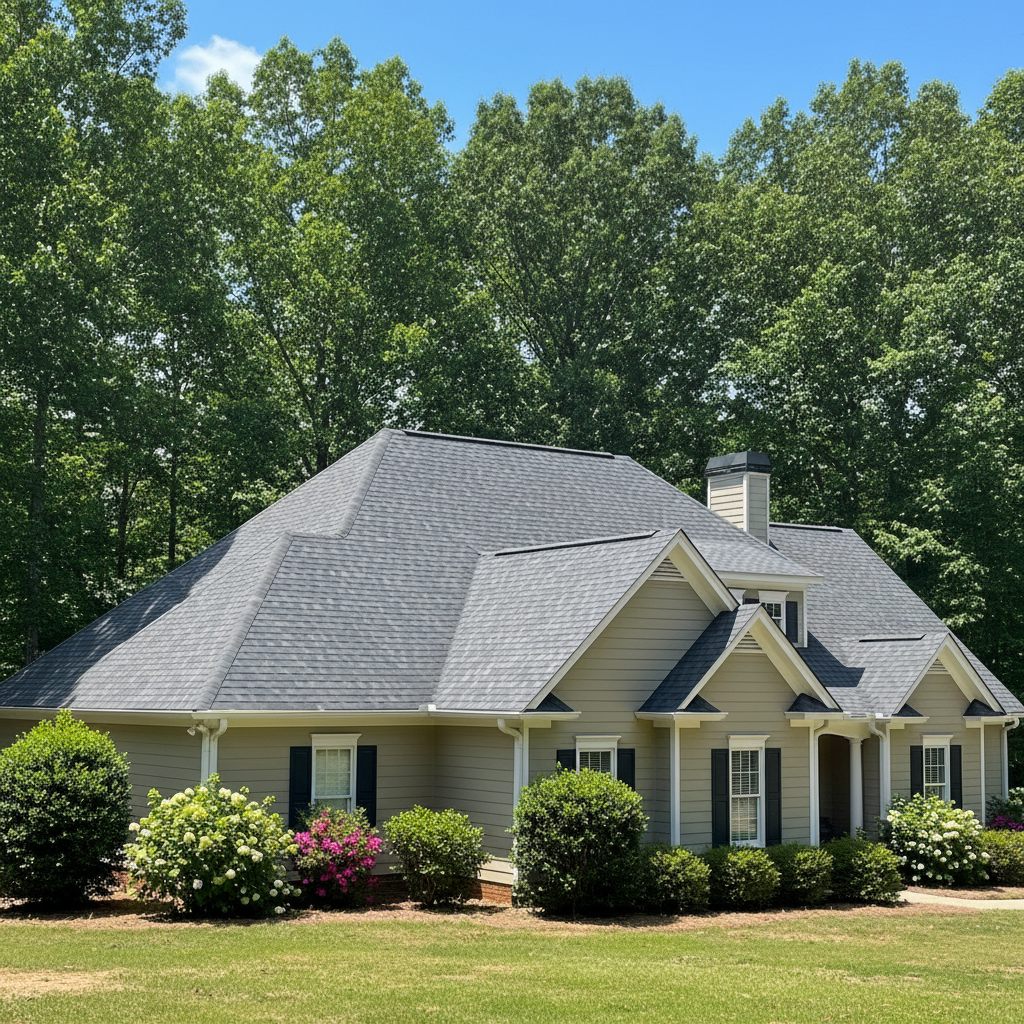
You just put a brand new roof on your Louisburg home, and that's a big investment. You want it to last, right? Well, a roof isn't a 'set it and forget it' kind of deal, especially not around here with our crazy NC weather. From those humid summers to the occasional ice storm in winter, your roof takes a beating. But with some smart maintenance, you can really extend its life and keep your home protected.
Extending Your Roof's Lifespan: It's More Than Just Shingles
Think of your roof like a car. You wouldn't buy a new truck and then never change the oil, would you? Same goes for your roof. The biggest thing you can do to make it last is to be proactive. That means not waiting until you see water stains on your ceiling to pay attention.
- Keep it Clean: Debris is a killer. Leaves, pine needles, twigs – they all trap moisture. That moisture can lead to rot, mold, and even cause water to back up under your shingles. This is especially true if you've got a lot of mature trees around your property, like those big oaks common in the older neighborhoods around Main Street. Clear off your roof and out of your gutters regularly, especially after a storm or in the fall.
- Trim Those Trees: Overhanging branches are a double whammy, honestly. They drop more debris, and they can rub against your roof, scraping off granules or even puncturing the material. A good rule of thumb is to keep branches at least 6 feet away from your roof surface.
- Check Your Attic Ventilation: This might sound like it's not directly about the roof, but it's huge. Proper attic ventilation keeps your attic cool in the summer and prevents moisture buildup in the winter. Without it, heat can bake your shingles from underneath, and moisture can lead to rot in your decking.
- Don't Ignore Small Issues: A loose shingle or a tiny crack in flashing might seem minor, but our intense sun and heavy rains can turn a small problem into a big one fast. Fix it when it's small and cheap, not when it's big and expensive.
What Regular Maintenance Looks Like for Louisburg Homes
For most homeowners, regular maintenance means a few things you can do yourself, and knowing when to call in the pros. I recommend checking your roof at least twice a year – once in the spring after winter storms, and again in the fall after all the leaves have dropped.
Here's what you should be looking for:
- Gutters and Downspouts: Make sure they're clear and flowing freely. Clogged gutters mean water can't drain properly, leading to overflow and potential damage to your fascia, soffits, and even your foundation.
- Shingles: Look for any that are cracked, curled, missing, or have excessive granule loss. Granules protect the shingle from UV rays, and once they're gone, the shingle deteriorates quickly.
- Flashing: This is the metal material around chimneys, skylights, vents, and wall junctions. It's a common spot for leaks. Check for cracks, rust, or separation from the roof surface.
- Sealants: Any caulk or sealant around vents or flashing can dry out and crack over time. Inspect these areas and reapply if needed.
- Soffits and Fascia: Look for signs of water damage, rot, or pest entry. These areas are often the first to show signs of gutter issues or poor ventilation.
If you're not comfortable getting on your roof, or if it's too steep, don't risk it. A good pair of binoculars from the ground can show you a lot, or you can always call us at Charis Roofing Solutions for a professional inspection.
Warning Signs You Can't Ignore
Some things are clear indicators that you've got a problem brewing. Don't put these off:
- Water Stains: On your ceiling or walls, especially in the attic. This is a definite sign of a leak.
- Missing Shingles: After a strong thunderstorm or high winds, check for missing shingles. Even one missing shingle can expose your underlayment and deck to water.
- Sagging Roof Deck: If you see dips or sags in your roofline, that's a serious structural issue that needs immediate attention.
- Granules in Gutters: A few granules are normal, but if you're seeing a lot, it means your shingles are aging and losing their protective layer.
- Higher Energy Bills: Sometimes, a failing roof or poor ventilation can lead to your HVAC system working overtime, driving up your power bill.
When to Call a Professional Roofer
Look, there are some things you can DIY, but roof repair and major maintenance usually aren't among them. You should absolutely call a professional if:
- You suspect a leak but can't find the source. Leaks can travel, making them tricky to pinpoint.
- You have significant storm damage. High winds, hail, or falling trees can cause widespread damage that requires expert repair.
- You see signs of mold or rot on your roof or in your attic. These can indicate long-standing moisture issues.
- You're uncomfortable or unsafe getting on your roof. Seriously, your safety is worth more than a DIY repair.
- You're noticing multiple issues or widespread shingle deterioration. It might be time for a repair or even a replacement estimate.
Here at Charis Roofing Solutions, we’re always ready to help Louisburg homeowners. We know these roofs, we know this weather, and we're here to make sure your roof stays in top shape for years to come. Don't wait until a small problem becomes a major headache. A little care now saves you a lot of money and stress down the road.