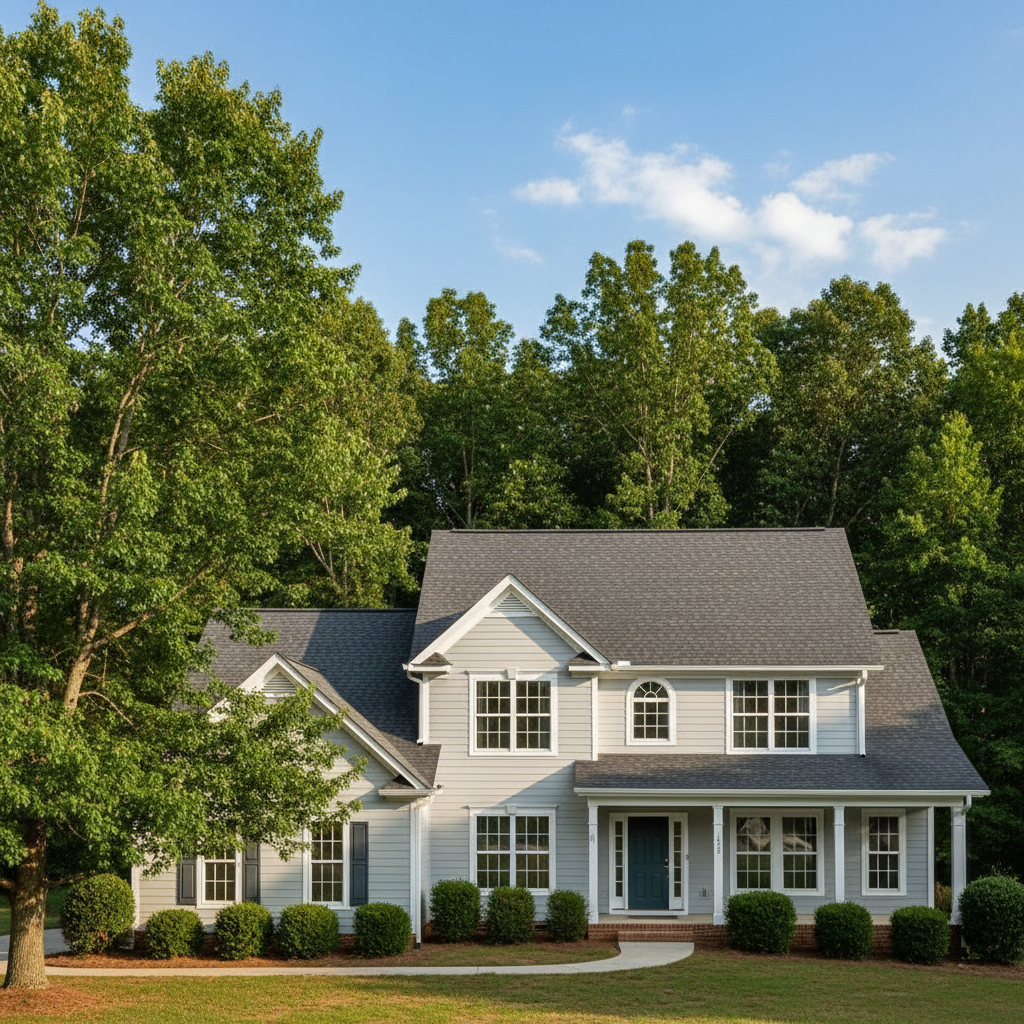
Finding a good roofing contractor can sometimes feel like you're just throwing darts in the dark, especially when you're staring up at a leaky ceiling or missing shingles after a summer storm. It doesn't have to be that way, though. You're trusting someone with a really important part of your home, so you need to be smart about who you hire. Here in Louisburg, we get all sorts of weather. From those heavy, wet snows that truly test a roof's strength to the intense summer sun that bakes everything, you need a pro who understands our local conditions.
What to Ask Before They Even Step on Your Property
When you're chatting with potential contractors, don't be shy. This is your house, and it's your money. You absolutely have to ask the tough questions right from the start. Here's what I'd want to know if I were in your shoes:
- Are you licensed and insured? This isn't something you can skip. They need a general contractor's license for bigger jobs and proper liability insurance. Make them show you proof. Any good contractor won't bat an eye at that.
- How long have you been in business? Experience really counts. Someone who's been around for a while, especially in our area, has likely seen it all. They know how to handle local challenges, like the clay soil around here that can sometimes cause foundation shifts affecting roof lines.
- Can you provide local references? Talk to their past customers, seriously. Ask about their experience, whether the job stayed on time and on budget, and if they'd hire them again.
- Who will actually be doing the work? Is it their own crew, or do they subcontract everything out? There’s nothing inherently wrong with subcontractors, but you want to know who's ultimately responsible for the work.
- What's your warranty? A reputable company will offer a warranty on both the materials and the labor. Make sure you understand what it covers and for how long.
- What's your safety plan? Roofing can be dangerous, no doubt about it. You want a company that takes safety seriously, both for their crew and for your property.
Decoding the Quote: What to Look For
You'll probably get a few quotes, and they can look wildly different, which is confusing. Don't just pick the cheapest one, okay? That's a common mistake that often ends up costing more in the long run. A good quote should be detailed and easy to understand. It should clearly spell out:
- Scope of work: What exactly are they going to do? Is it just a repair, or a full tear-off and replacement? Does the price include flashing, ventilation, and underlayment?
- Materials: What brand and type of shingles or roofing material are they using? What about nails, ice and water shield, and other components? The specifics really do matter.
- Timeline: When do they expect to start and finish the job? What's the plan if bad weather delays things?
- Payment schedule: A small deposit is pretty standard, but be wary of anyone asking for a huge chunk of money upfront. Most reputable contractors will have a payment schedule linked to project milestones.
- Cleanup: How will they handle all the debris? Will they protect your landscaping?
- Permits: Who is responsible for pulling the necessary permits from Franklin County? It should definitely be the contractor.
Red Flags You Can't Ignore
Some things should make you walk away, no matter how good the price seems. Trust your gut on these, always:
- Door-to-door sales pressure: If someone shows up unannounced and tries to pressure you into signing something on the spot, that's a huge red flag. Good contractors don't need to strong-arm you.
- Cash-only deals: This screams 'unlicensed' and 'uninsured.' You'll have absolutely no recourse if something goes wrong.
- No contract or a very vague one: Everything needs to be in writing, clearly.
- Asking for full payment upfront: This is a major no-go.
- Out-of-state license plates and no local presence: Especially after a storm, you'll see a lot of storm chasers. They do the work and then disappear, leaving you with no one to call if there's an issue. Stick with local businesses that have a stake in the community, like Charis Roofing Solutions.
- Refusal to provide proof of insurance or licensing: If they can't or won't show you, they probably don't have it.
Verifying Legitimacy
It's actually easier than you might think to check if a contractor is on the up and up:
- Check the NC Licensing Board for General Contractors: You can search their database online to confirm their license is active and in good standing.
- Verify insurance: Ask for a certificate of insurance directly from their insurance provider. Don't just take their word for it or a copy they hand you.
- Look them up with the Better Business Bureau (BBB): See their rating and any customer complaints.
- Google them: Look for reviews, their website, and any news articles. A solid online presence is usually a good sign.
- Ask for references and actually call them: This is probably the most valuable step, honestly.
Taking a little extra time to vet your roofing contractor can save you a whole lot of headaches and money down the road. It's about protecting your investment and making sure you get a quality job that really lasts. Do your homework, ask the right questions, and you'll find the right team for your home.