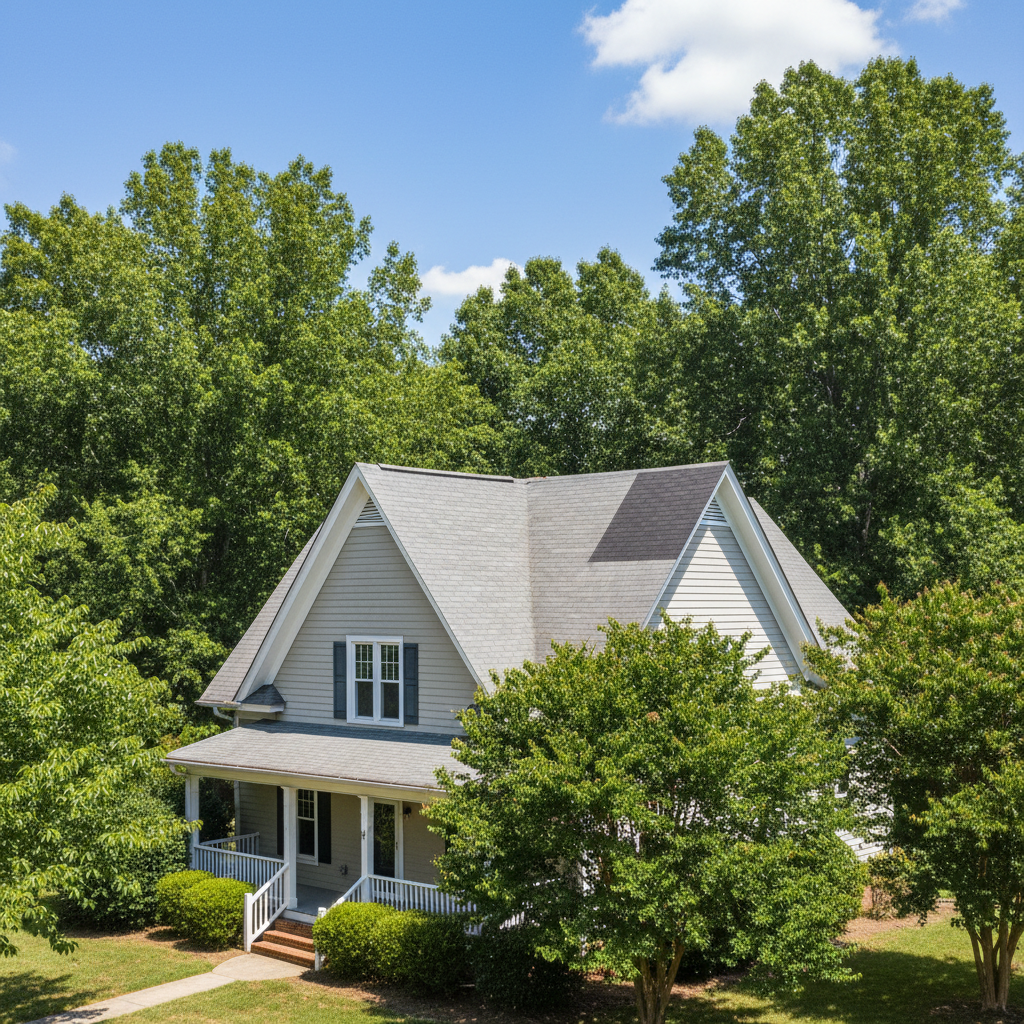
Finding a good roofing contractor can be a real pain, especially when you're talking about something as critical as keeping your home safe and dry. I've seen too many folks right here in Louisburg get burned by fly-by-night crews or just plain shoddy work. And you know what? You absolutely don't want to be one of them. This isn't about snagging the cheapest bid; it's about finding the *right* person for the job – someone honest, who truly knows their stuff, and stands behind what they do. So, let's chat about how to really check these folks out before you put your signature on anything.
Questions You *Must* Ask
When a contractor shows up to give you an estimate, don't hold back. This is your house, your hard-earned money. You've got every right to ask the tough questions. Here's what I'd be digging into:
- Are you licensed and insured? Don't just take their word for it, ever. Ask for proof. I'm talking about their North Carolina General Contractor's license number (especially if they specialize in roofing) and their actual certificates of insurance for both general liability and workers' compensation. If they can't produce these, or if they start to hem and haw, that's a giant red flag. You really don't want someone working on your roof who isn't properly covered; if they get hurt or damage your property, guess who could be on the hook?
- How long have you been in business, and how many roofs have you done right here in our area? Experience truly matters. Someone who's been around for a while in our neck of the woods understands the local building codes, our crazy weather patterns (like those summer thunderstorms that pop up out of nowhere), and the common issues with homes built around here – whether it's a newer subdivision or an older farmhouse out toward Bunn.
- Can you give me some references? Ask for at least three recent customers you can actually call. And please, *actually* call them! Ask about their experience, if the job wrapped up on time and on budget, and if they'd hire the contractor again.
- What's your warranty like? This is super important. You need to know what's covered (materials, labor, or both?) and for how long. A good contractor will offer a solid workmanship warranty on top of the manufacturer's warranty for the materials.
- Who will actually be doing the work? Your own employees or subcontractors? It's not necessarily a deal-breaker if they use subs, but you absolutely need to know. If they do, ask how they vet those subcontractors and if they're also insured.
What to Look For in a Quote
You'll probably get a few quotes, hopefully. Don't just compare the bottom line, though. A solid quote is detailed and totally transparent. It should clearly spell out:
- Materials: The specific type, brand, color, and quantity of shingles, underlayment, flashing, vents, and all that jazz. Don't let them just say "new roof."
- Scope of Work: What exactly are they going to do? Removing old shingles, inspecting the decking, replacing damaged wood (and how they'll handle unexpected damage), installing new materials, cleanup, disposal. Every single step should be listed.
- Timeline: When they expect to start and how long the whole project will take.
- Payment Schedule: A reputable contractor won't ask for 100% upfront. Usually, it's a deposit, then payments at certain milestones, and a final payment once everything's done and you're happy.
- Total Cost: Well, obviously. But make sure it's all-inclusive, with no hidden fees or nasty surprises. If they find rotten wood, for example, how will they charge for that? Get it all in writing.
Red Flags You Just Can't Ignore
There are some things that should make you hit the brakes immediately. Your gut feeling is usually spot on, by the way.
- High-pressure sales tactics: "Sign today or the price goes up!" or "I'm in the neighborhood, I can give you a deal right now!" Good contractors don't need to strong-arm you into anything.
- Cash-only deals: This is a massive one. If they only want cash, they're likely trying to dodge taxes and insurance, which means you'll have zero recourse if things go sideways.
- No contract or a really vague one: Everything we just talked about for a quote needs to be in a written, signed contract. If it's not, just walk away.
- Soliciting door-to-door right after a storm: While some legitimate companies might do this, it's also a common tactic for storm chasers who blow into town, do quick, shoddy work, and then vanish. Be extra careful here.
- Asking for a huge upfront payment: A reasonable deposit is fine, maybe 10-30%. Anything more than that, especially before any materials even show up or work starts, is super suspicious.
- No local presence or references: If they can't show you local work or don't have a physical address you can check, they might not be around if you have a warranty claim down the road.
How to Really Check Them Out
You've asked the questions, you've got the quotes. Now, it's time to do your homework.
- Check their license: Head over to the North Carolina Licensing Board for General Contractors website and look them up by license number or company name. Make sure their license is active and in good standing.
- Verify insurance: Ask their insurance company directly to send you a certificate of insurance. Don't just trust a copy they hand you.
- Look up their business: Check the NC Secretary of State website to see if their business is registered and active.
- Online reviews: Look at Google, Yelp, Better Business Bureau. See what other people are saying. Don't just glance at the star rating; read the actual reviews, both good and bad, and see how the contractor responded.
- Ask for proof of workers' comp: This protects you if a worker gets hurt on your property. Charis Roofing Solutions, for example, makes sure all our crews are fully covered, so you don't have to worry about that nightmare scenario.
It might feel like a lot of steps, but honestly, it's worth the effort to protect your biggest investment. Taking these steps will help you find a reliable, honest roofer who will get the job done right the first time. Don't rush into a decision. A good roof protects everything underneath it, so make sure you're hiring someone you can truly trust.